Frequently Asked Questions
Supporting you on every step of your journey toward restoration.
Find the clarity and guidance you need to feel fully prepared and informed before taking the next step.
Intentional Care
To whom are these clinical cohorts and retreast tailored?
Functional Integrative Therapeutics is a confidential law-enforcement sensitive service for active duty military, veterans, law enforcement, first responders, health care professionals, and their families.
FIT Collective contracts with licensed independent therapists who are culturally competent providers well versed in the issues that most first responders experience, including exposure to trauma, substance abuse, suicidal ideation, relationship conflict, nervous system dysregulation, pain and chronic injury management, anxiety and depression.
Are these clinical cohorts and retreats faith based?
Our retreats offer a contemplative space for rest, reflection, and healing grounded primarily in the Christian faith. The Christian tradition is founded on the belief in an all-loving and all-present God whose desire is to be with and restore all of creation through Jesus. While the retreat is informed by Christian contemplative spirituality, it is designed to be inclusive and respectful of a range of beliefs and experiences, welcoming anyone seeking a supportive environment for personal and spiritual exploration.
How do you define clinical safety and professional scope?
Every clinical session is guided by a licensed psychologist or licensed therapist within strict evidence-based frameworks. We focus on somatic experiences and nervous system regulation and also expose participants to non-clinical holistic activities. Our retreats are unique in that they are not peer led or volunteer led, they are facilitated by therapists and care pastors who have prioritized their own wellness and are intentionally walking in their own wellness path.
Who is eligible?
We are currently offering a hybrid retreat cohort experience, which combines clinical intake sessions and group therapy sessions via zoom before and after the retreat intensive. Due to licensing restrictions, participants must be currently located in California or New York state to participate.
What if I am located outside of California or New York?
If you are interested in participating in a clinical retreat and currently live outside of California or New York, please send us a message. We are open to designing intensive clinical retreats and can provide direct services to you when you are in California for the retreat.
What about existing cohorts or pre-existing teams and small groups?
Our retreat spaces are designed with first responders in mind. If you have a team of individuals who are interested in participating in a retreat experience together, please contact us. Our clinical spaces are ideal for peer support teams, critical incident teams, chaplain teams, or families who may be interested in fostering support, creating increased cohesion, releasing traumatic memories, and building team work.
What about couples/marriage retreats?
We are developing a waitlist for couples that are interested in participating in couples therapy and an especially designed couples retreat experience.
What if I still feel unsure about participating?
We offer a complimentary 15 minute phone consultation if you have further questions. If you would like to speak with a clinical staff member to ask further questions, please submit an inquiry.
Modalities of Care
What is EMDR?
Eye Movement Desensitization and Reprocessing (EMDR) is a psychotherapy method used to help people process and recover from traumatic or distressing memories. It was developed by Francine Shapiro in the late 1980s. EMDR is based on the idea that traumatic experiences can get “stuck” in the brain, causing ongoing emotional distress, anxiety, or symptoms such as those seen in Post‑Traumatic Stress Disorder (PTSD). Organizations like the World Health Organization and the American Psychological Association recognize EMDR as an evidence-based treatment for trauma, especially PTSD.
What is Brainspotting?
Brainspotting is a type of therapy designed to help people process and release emotional pain, trauma, and stress that can feel “stuck” in the body and brain.
In simple terms, it works on the idea that where you look can affect how you feel. During a session, a therapist helps you find a specific eye position—called a “brainspot”—that seems connected to a strong emotional or physical response. By holding your gaze on that spot while staying aware of what you’re feeling in your body, your brain is able to begin processing and resolving the underlying experience.
What is ART?
Accelerated Resolution Therapy (ART) is a brief, structured form of psychotherapy designed to help people quickly reduce distress from trauma, anxiety, and other difficult experiences.
At a basic level, ART uses guided eye movements and imagery to help the brain reprocess upsetting memories so they feel less intense and no longer trigger the same emotional or physical reactions. ART tends to focus primarily on body sensations, and clearing uncomfortable somatic reactions that are re-experienced in the body that are often connected to traumatic memories.
What are contemplative practices?
Contemplative practices are spiritual disciplines within the Christian tradition that focus on being fully present in mind, body, and soul to be more deeply connected to self and the love of God. They aim to cultivate inner stillness, attentiveness to God, deep listening to the soul, and transformation of the heart. Contemplative practices emphasize being with God rather than doing things for God. Some contemplative practices include: Centering Prayer, Lectio Divina, Visio Divina, Walking the Labyrinth, and Immanuel Prayer.
What is a soundbath?
A sound bath is a guided meditation experience where soothing resonant sounds surround the listener to promote deep relaxation and mindfulness, drawing inspiration from ancient sound traditions and modern wellness practices, using singing bowls, gongs, chimes and tuning forks.
The idea of using sound for healing and spiritual practice is very old.
-
In India, the philosophy of Nada Yoga (the “yoga of sound”) teaches that the universe and consciousness are fundamentally vibration. Chanting and listening practices were used to reach meditative states.
-
In the Himalayan region, instruments like Tibetan singing bowls were traditionally used in ritual and meditation practices within Tibetan Buddhism, though their modern “healing” use developed later.
-
Ancient Greek philosophers such as Pythagoras also explored the concept of “music of the spheres,” believing harmonic sound could restore balance in the body and mind.
What is forrest bathing?
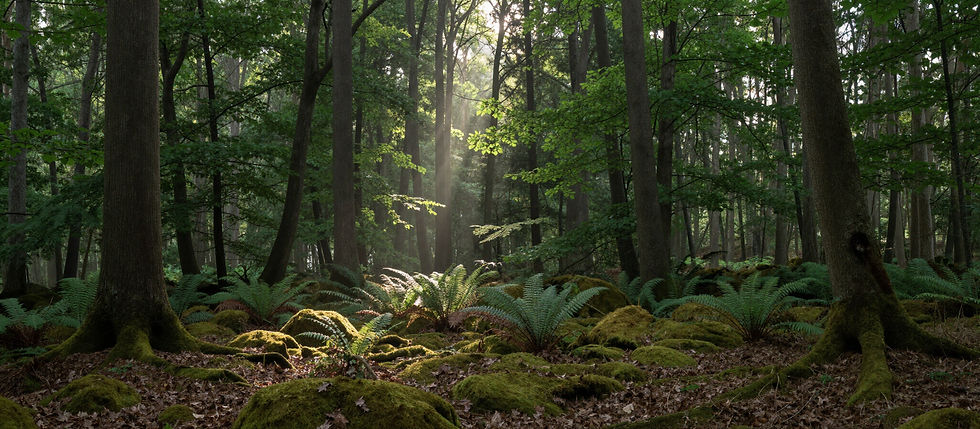
Forest bathing is a wellness practice that involves spending slow, mindful time in a forest or natural environment to support mental, physical, and emotional well-being. Despite the name, it does not involve water. The idea is to “bathe” your senses in the sights, sounds, smells, and atmosphere of the forest.
Forest bathing comes from Japan, where it is known as Shinrin-yoku, meaning “taking in the forest atmosphere.”
-
The practice was formally promoted in the 1980s by the Japanese government as a public health initiative.
-
It was developed to counteract rising stress and burnout from urban life.
-
Researchers in Japan began studying how time in forests affects the body.
Booking & Participation
How do I begin the journey?
To join a retreat, please submit an initial inquiry via our website. A clinical coordinator will then reach out to schedule a brief consultation to ensure our restorative environment aligns with your needs and current wellness goals.
What are the costs and support options?
Our intensive 4-day retreats are priced to cover expert clinical guidance and all-inclusive accommodations. We are deeply committed to accessibility; full and partial scholarships are prioritized for first responders, veterans, and those serving in high-stress public sectors who are experiencing financial harship.
What does a typical day look like?
Days are curated around restorative rhythms: sunrise meditation, nature-based somatic movement, nourishing group meals, and clinical peer circles. Each afternoon includes spacious quiet time intended for deep personal reflection and nervous system regulation.
How should I prepare and what should I bring?
We suggest beginning a digital detox 24 hours prior to arrival. Pack comfortable, weather-appropriate layers for light hiking and movement. You will receive a comprehensive packing list and a mental preparation guide two weeks before your retreat begins.
Guided Preparation & Essentials
Arriving with clarity and the right tools ensures you can fully surrender to the restorative process. We support you in feeling informed and prepared before you step into our sanctuary.
A Typical Day
Your day is anchored by intention. Morning somatic movement is followed by clinical workshops, nutrient-dense group meals, and afternoon nature immersion. Evenings conclude with restorative peer circles under the stars.

Packing Essentials
Prioritize layers for transition between indoor and outdoor spaces. Bring comfortable movement wear, all-weather walking shoes, and personal journals. We provide all therapeutic materials and tech-safe storage for your digital detox.

Personal Preparation
We recommend starting a digital detox 48 hours before arrival. Reflect on one specific intention—something you wish to release or invite in. Arriving with a rested mind allows the clinical tools we offer to take deeper root.